Addiction is bad. Whenever you lose control over something and let it control you, you’re doing yourself such a disservice. But in our current society, with everything readily available at the click of a button, so many extremely damaging addictions fly under the radar unnoticed.
If you were a 90’s kid, the detrimental addictions we were mostly aware of were drugs, gambling, alcohol and the likes. Every high school kid in the 2010’s watched the “Punch Drunk” documentary, was taught about safe sex in PDHPE, and maybe some were taught about the “Gateway” drugs. Every school had that little crew that smoked weed behind the oval, we had a place in my senior year of school called “Bong Hill”. But drug addiction is such an outdated topic of discussion, and it is complex too. A lot of factors come into play including someone’s personality, the environment they grew up in, their mental health and other habits.
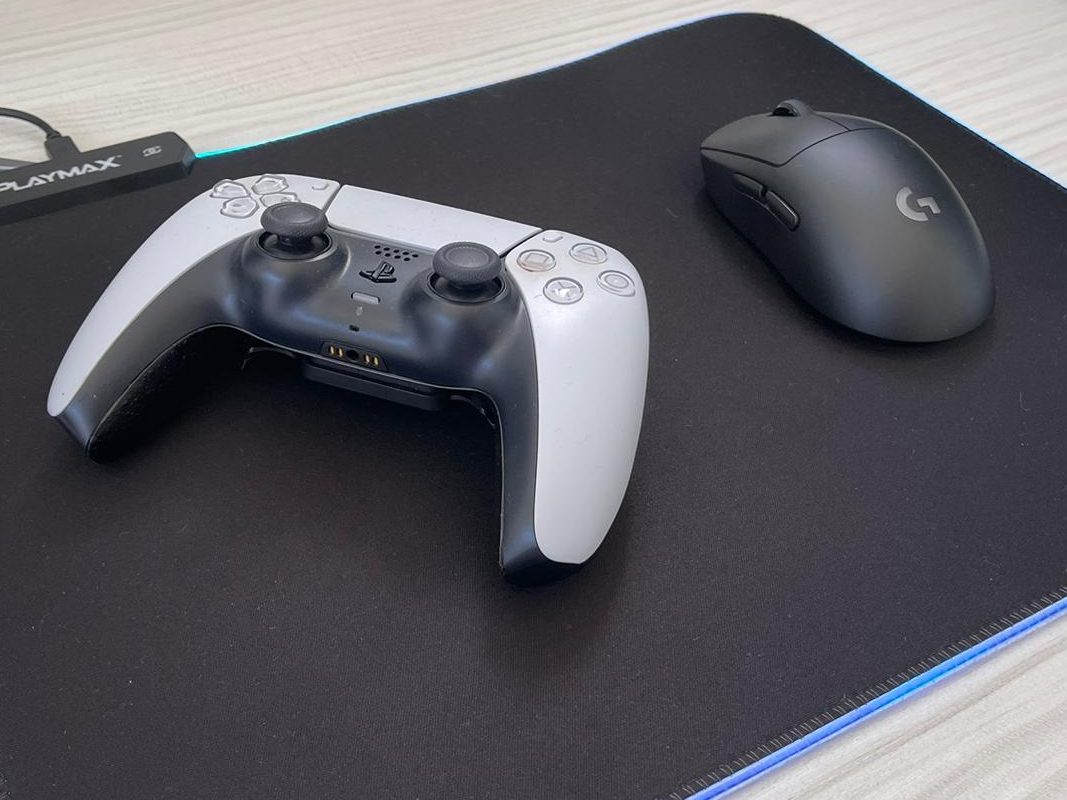
The most detrimental addictions plaguing our current youth are a little different. With the recent rise of the “iPad kids” generation, kids are so used to fast dopamine from a young age that their brains are wired with such low attention spans it is scary. I’ll be transparent, from the ages of 9 till about last year you’d find me with a controller in my hand to pass time. Video games comprised so much of my life throughout my teens especially, from the PlayStation 1 through to the 4 to the PC and so on. It is cute at a young age; they always say you’d rather your kid be inside gaming than out there being bad. But looking back, even though some of the memories were priceless, there were periods of excessive gaming that stunted my growth. I wasn’t out being bad like the imaginary kids we mentioned to our parents when they’d tell us to turn the console off and go to bed. But I ended up being socially anxious, lacking ambition and at times gearing my day towards the goal of sitting down to game.
Realistically, I would’ve rather spent my time reading more books or learning to code. In my first year of university, Counter Strike was my poison, I failed maths and had to re-sit it in the summer. Fast forward to my second year, I failed more pre-requisites due to my bad gaming habits and the habits associated with it. Especially staying up late which caused me to miss morning classes and become less attentive to my schedule and tasks. Even though I picked myself up moving forward and finished my degree strong, the damage was done. It was one of my biggest regrets when I graduated, and unsurprisingly the job search was difficult because of my tainted academic transcript.
What made me snap out of it was a book by Judson Brewer called “The Craving Mind”. During my second year of university, I picked that book up to help me overcome my gaming and social media addiction, and it wasn’t until I began reading about dopamine centres in the brain and mindfulness that I realised how horrible my situation was. During that period of my life, for as long as I remember I was acting on any negative impulse I had, and that netted me a plethora of bad habits that needed fixing.

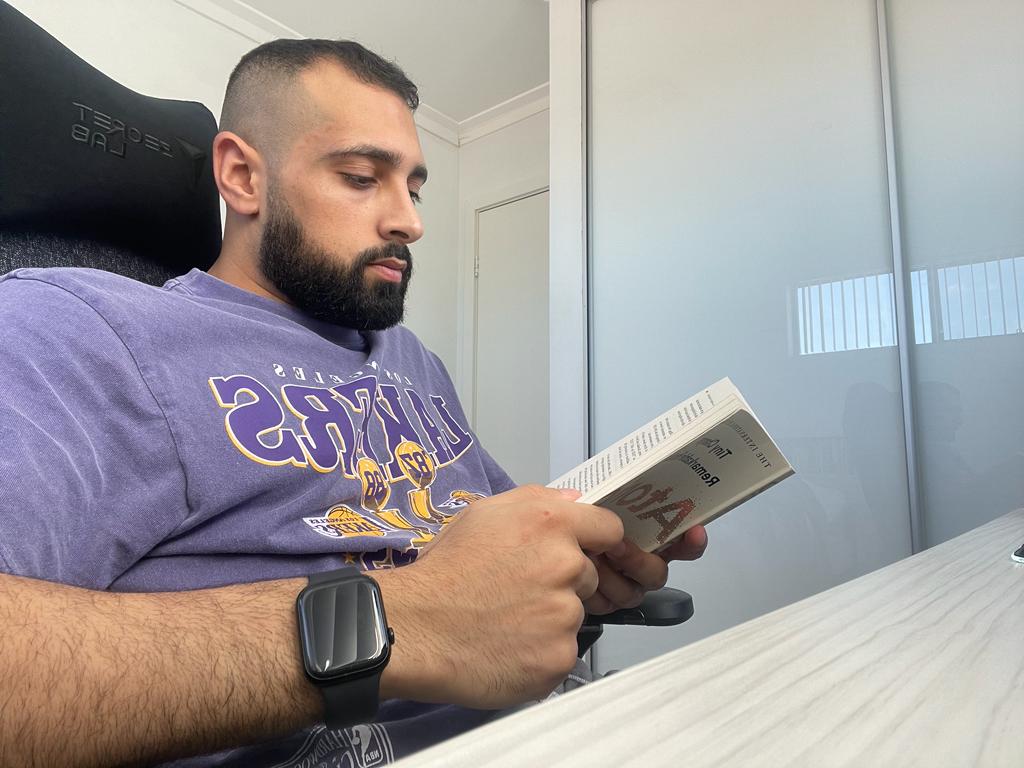
Recently my life has been much healthier. The COVID lock down period saw me fall back to some of my old horrible gaming habits. All I did was work and game, with some home weight training sometimes. I even did a stint streaming on twitch like everyone else. Once the gyms opened back up, like a brand-new butterfly exiting its cocoon I was out of my room. I put the controller in my bottom drawer, sold my PC and never looked back. I supplemented my free time with books and just more sport. Recently I finished a very well-known book called “Atomic Habits” by James Clear. Reading it brought back so many memories from Brewer’s book that I read years earlier. The rewiring of our brain and dopamine centers, to form good habits and not act on our cues and our cravings.
The biggest issue with a gaming addict is the excuse that it is “not that bad” or “it’s just a hobby”. A way to wind down after a long hard day at work. It’s just occasional, it isn’t getting in the way of their health and responsibilities. And while there is some truth to that, I did still go to the gym, train and socialise as a gamer when I was a student. But the thing is, you’d just rather not. As cliche as it sounds, if you’re a teen or in your mid-20’s, even playing more than once a week is such wasted time.

Granted you don’t stop gaming and spend your free time watching Netflix, if you remove the blinding glasses you’re shackled to because of your controller or mouse and keyboard, you’ll notice the thousands more beneficial things you could do in those hours of the night. Rather than spending your Sunday playing FIFA, read a book. Instead of playing 2 hours of ranked every night, learn to code, learn a language, sit down with your mother and father and have some tea. You must admit you have a bad habit in order to replace it with a good one. And good habits, slow incremental improvements to your life will add up to you being a whole different person years down the track.
If you’re too invested in a particular game, read about the sunk-cost fallacy. Do you really want to dedicate a portion of your life to trying to go pro in a video game that may die in a few years? It is not worth it, even if you make content, that content will be at the mercy of the game in question. Build your personality, focus on yourself and develop real world marketable skills, and level up. Once you’ve done all that, then you deserve to sit down and enjoy some games in moderation, if that’s what you still want to do post success.
All the best
Houssam



 Popular Loner
Leave a comment